Whether you're hiking through dense forests or setting up camp under the stars, being surrounded by nature offers an unmatched sense of adventure and peace. However, these remote environments also present unique safety challenges, especially during nighttime activities.
Importance of Outdoor Lighting for Night Hikes and Camping
As daylight fades, the familiar paths and surroundings you once navigated with ease become obscured. Nighttime significantly reduces visibility, making it easier to misstep, trip over roots, or lose track of your trail. Without adequate lighting, you’re more vulnerable to accidents and potentially life-threatening situations. Reliable outdoor lighting not only illuminates your way but also helps you detect hazards such as wildlife, uneven terrain, or even nearby bodies of water.
Moreover, when camping, outdoor lighting is essential for setting up tents, preparing meals, and securing your campsite. Without proper lighting, routine tasks can become hazardous, leading to cuts, burns, or even accidents involving wildlife that may be lurking nearby. Thus, having the right lighting is not just about convenience; it’s about ensuring the safety of yourself and your companions.
Common Accidents That Occur Without Proper Lighting
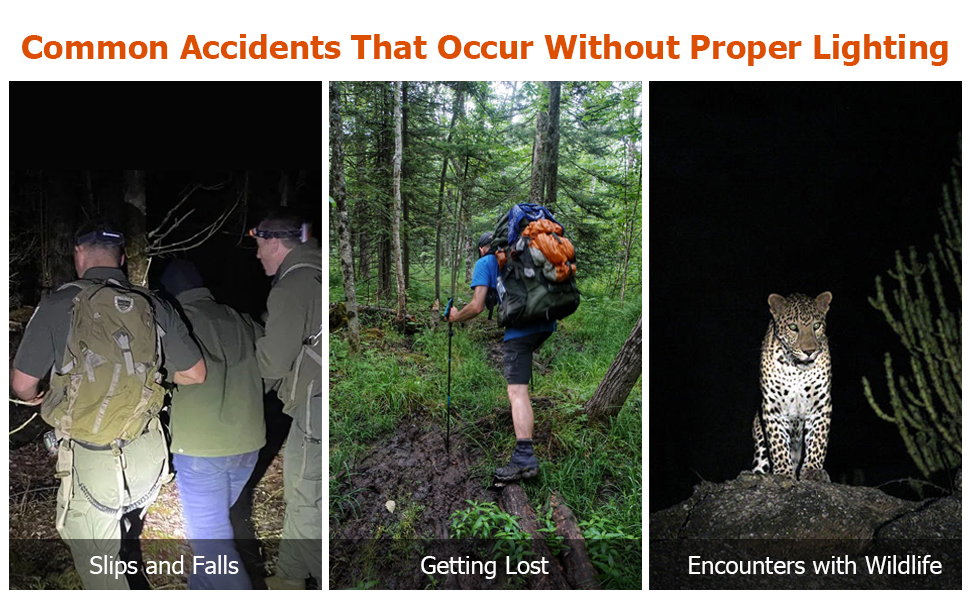
Nighttime in the wilderness can be unpredictable. Without the right lighting, several common accidents can occur:
- Slips and Falls: Uneven terrain, loose rocks, and hidden tree roots can easily lead to injuries without proper illumination.
- Getting Lost: Losing your path in the dark is easy, especially in unfamiliar areas. Without lighting, you may wander off trails and put yourself in dangerous situations.
- Encounters with Wildlife: Adequate lighting allows you to spot animals at a distance, helping you avoid unnecessary confrontations.
- Campsite Hazards: Inadequate lighting increases the risk of accidents while cooking, handling equipment, or moving around your campsite.
These accidents highlight the importance of having sufficient lighting tools while outdoors.
Types of Outdoor Lighting Solutions
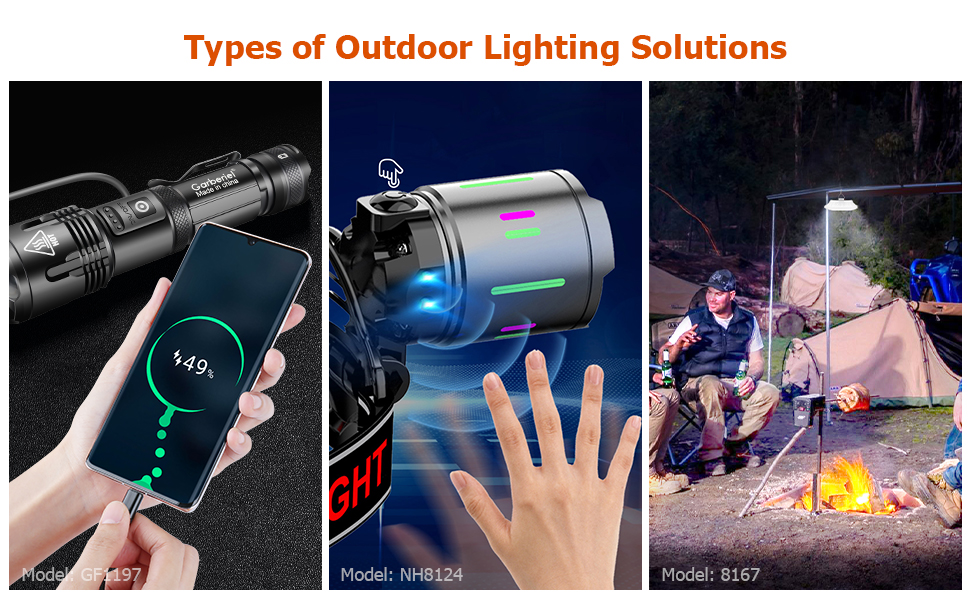
When it comes to staying safe in the wilderness, different lighting solutions can meet your specific needs. Here are some of the most effective options:
- Flashlights: Flashlights are compact, portable, and provide focused beams of light for short distances. A powerful flashlight, such as the Garberiel GF1154, offers versatility with zoom functions, brightness levels, and USB charging ports for emergencies.
- Headlamps: Headlamps like the NAKCNM NH8124 are ideal for hands-free lighting, allowing you to focus on tasks like pitching a tent or navigating trails. Many models include motion sensors, red light warnings, and rechargeable batteries.
- Lanterns: For campsite illumination, lanterns provide wide, ambient light that covers larger areas. Solar-powered models, such as the LeKaufen Solar Floodlight HW7147, offer extended operation without needing extra batteries.
- Diving Lights: For water-based activities or extreme conditions, diving lights provide powerful illumination and are designed to withstand underwater environments. Models like the Garberiel Diving Light HCF1577 are built for rugged use.
Tips for Effectively Using Flashlights in the Wilderness
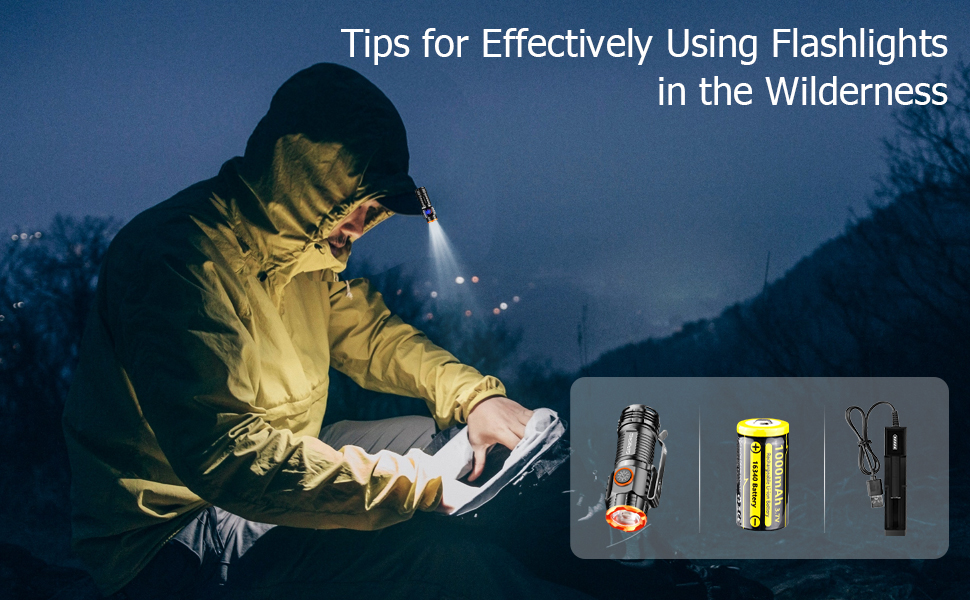
Knowing how to properly use your flashlight in the wilderness can further enhance your safety:
- Carry Extra Batteries or Power Banks: Always have backup power sources to avoid running out of light when you need it most.
- Use a Flashlight with Adjustable Settings: Different outdoor environments require different lighting levels. A flashlight with multiple modes allows you to adjust brightness to suit your activity.
- Keep Your Hands Free: If your activity requires hands-on tasks, consider using a headlamp or a flashlight with a clip to attach to your gear.
- Be Mindful of Battery Life: Use the lowest necessary setting to conserve battery life and ensure you have light for the duration of your trip.
How to Choose the Right Lighting for Different Outdoor Activities
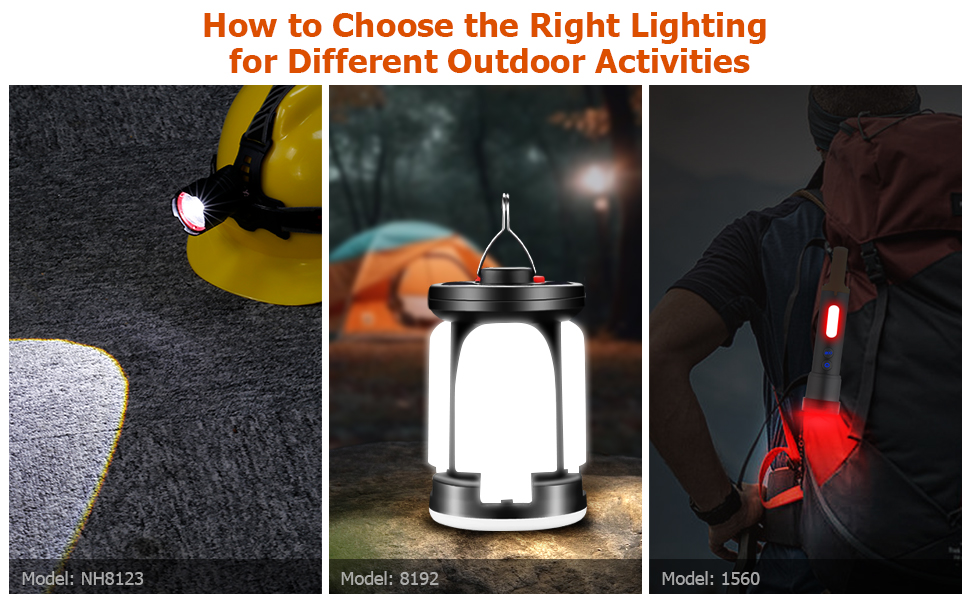
Not all lighting solutions are suitable for every outdoor activity. Here's how to choose the right lighting for specific needs:
- Hiking: Choose a compact, bright flashlight with a wide beam for better visibility over rough terrain. A headlamp is also a good option to keep your hands free.
- Camping: A combination of a flashlight and a lantern works best. Flashlights provide focused light, while lanterns offer ambient lighting for general campsite visibility.
- Water Activities: Waterproof diving lights are essential for any activities near water, especially when visibility is compromised.
- Night Safety Walks: For safety on nighttime walks, opt for headlamps or flashlights with red light modes, which provide sufficient lighting without startling animals or disrupting the environment.
Additional Safety Measures to Complement Lighting
While proper lighting is critical, it should be part of a larger safety strategy when exploring the outdoors:
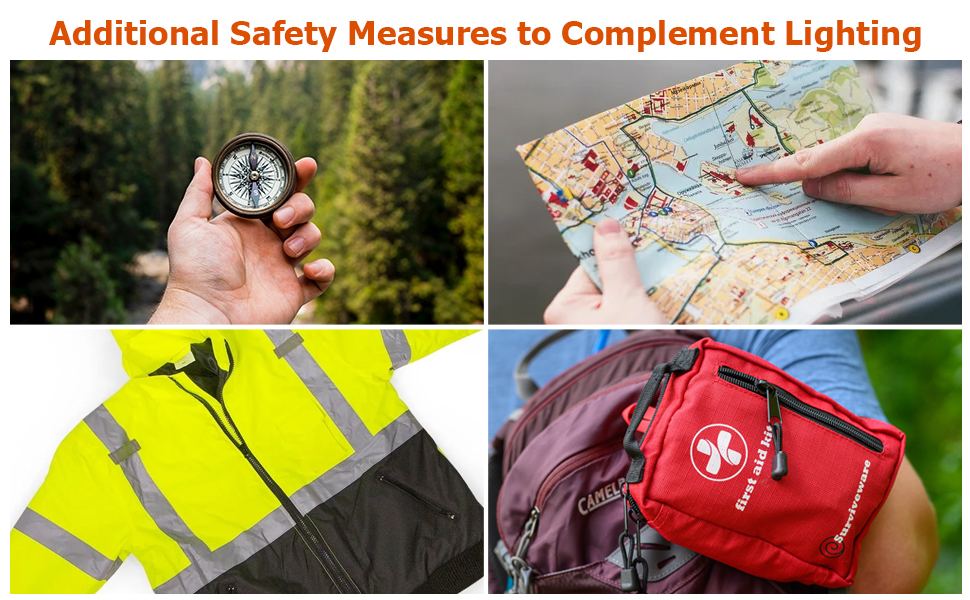
- Bring a Map and Compass: Even with good lighting, it’s important to have backup navigation tools in case your lighting equipment fails.
- Tell Someone Your Plans: Always inform someone of your itinerary before heading into remote areas. This ensures that help can be sent if you don't return on time.
- Wear Reflective Clothing: Wearing reflective gear can make you more visible to others, whether you're walking along trails or near roads.
- First Aid Kit: Accidents can still happen despite precautions. A first aid kit with basic supplies for cuts, scrapes, and minor injuries is essential.
Conclusion
Proper lighting is one of the most crucial safety measures for outdoor enthusiasts, campers, and hikers. It allows you to see clearly, avoid accidents, and stay aware of your surroundings. By choosing the right lighting solutions and combining them with other safety measures, you can significantly reduce the risk of accidents and enjoy the wilderness with peace of mind.